
Inbound leads, on a schedule, for your business
Meet Luros, the agent that puts inbound leads on autopilot
Luros brings people to your website through search and AI answers, then works on the pages that turn visitors into enquiries. It runs on a schedule, inside your own project, against your own data.
Not a hosted service, and not for a site you cannot edit. You need your website’s code in a repository and an AI coding agent such as Claude Code or Cursor; Luros runs inside it, with your own accounts and keys. On autopilot means on a schedule: every change still waits for your review.
£99 a month, per module One website, plus your own AI model subscription. More organic Google clicks by day ninety than before you installed, or all three months refunded.

Before you ask
What you need before Luros can work on your site.
Your website’s code, in a repository
A project is the folder your website’s code lives in, kept in a repository such as GitHub. If your site is built in a hosted site builder and you never see its code, Luros cannot work on it.
An AI coding agent you already use
A harness is the AI coding agent that runs Luros: Claude Code, OpenCode, Codex, GitHub Copilot, Cursor, Gemini CLI, Windsurf, Pi, Hermes or Claude Cowork. If you use none of them, this is not for you yet.
Your own Search Console and analytics
Luros reads your own search and visitor data, so it needs those accounts connected. The kit walks you through connecting them.
The problem
Your customers are searching, and your site is not keeping up.
Search keeps getting put off
Checking the site, fixing titles and keeping pages indexed takes time you do not have, so it slips.
AI answers name your competitors
People ask ChatGPT, Claude and Perplexity who to buy from. A business those tools never mention is not in the choice.
Small faults cost real sales
A broken title, a blocked page or a slow form can quietly lose customers for months before anyone notices.
What it does for your site
The work that brings enquiries in, run on a schedule.
Search
It finds the pages that are not ranking, the titles and descriptions that are missing, and the technical faults that stop a page being indexed. It drafts the fix for each.
Answer engines (GEO)
It checks which AI crawlers can read your site, whether your pages answer the questions customers ask, and whether those answers name your business.
Enquiries
It reads where visitors leave your site without getting in touch, and proposes the change to test on that page. It proposes; you review before anything changes.
How it works
One command. One project. One website.
1. Install it in your project
Run one command in your own project. Your accounts and keys stay yours.
2. It reads your project first
Your site, your search data and your analytics, so the work starts from the facts.
3. It runs on a schedule
The routines run in your project, and what they find is left for you to read.
The proof
What it does for your business
Six months of stats, from the product Luros was built from
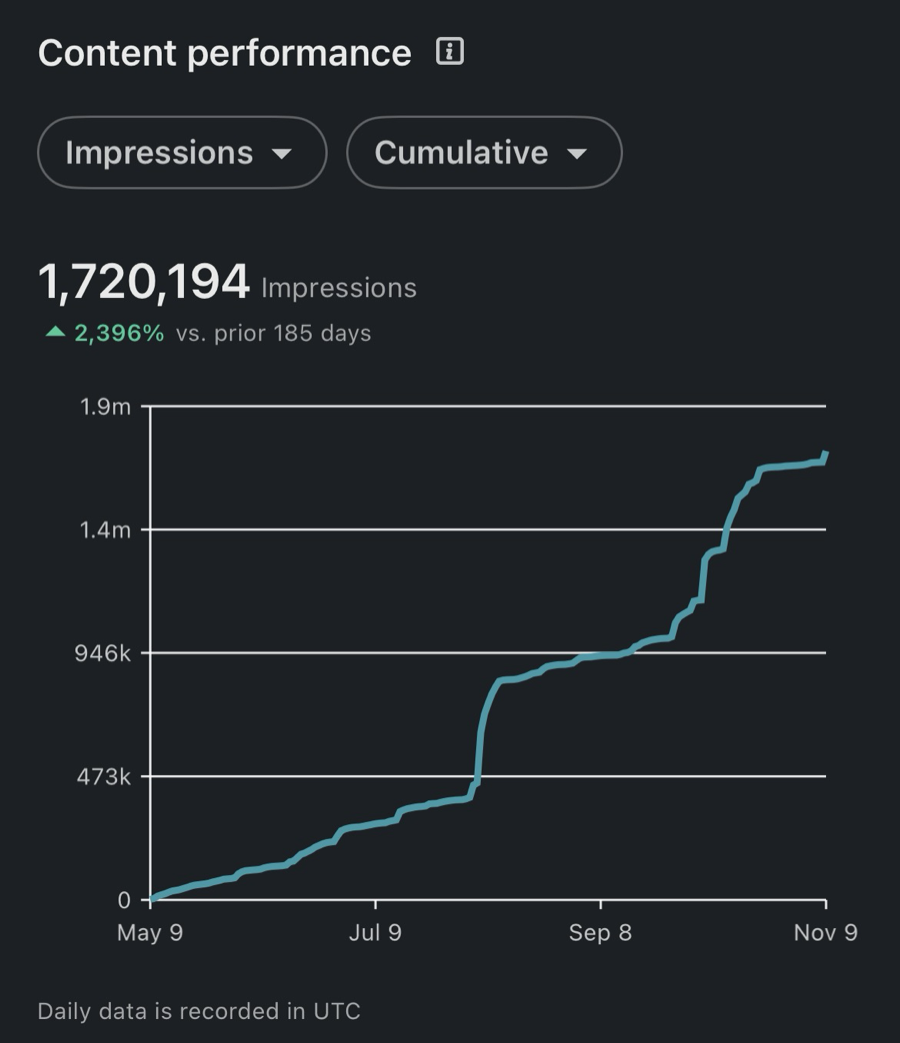
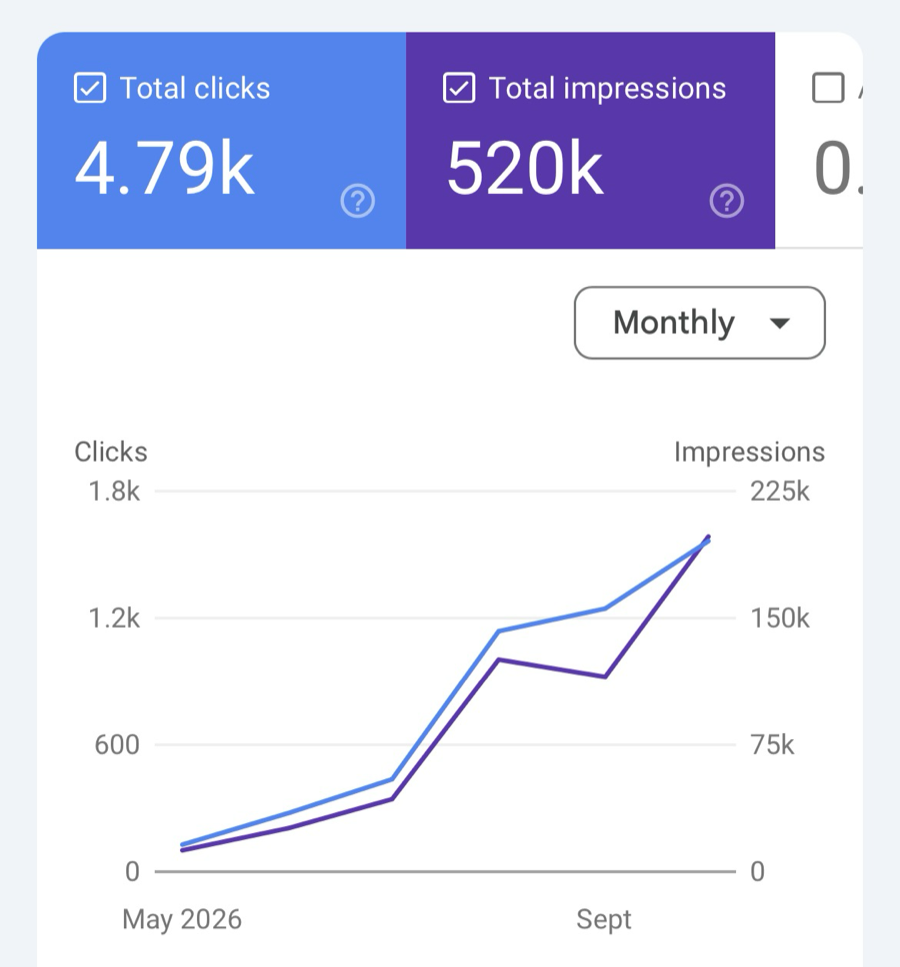
These are Delphina's numbers, from delphina.money. Delphina is a Minith Labs product that Luros was built from, so the screenshots beside this claim are its Search Console and its LinkedIn, not a customer's and not ours.
One product, so one set of numbers, and they are reach rather than money: impressions and clicks, not enquiries. What it shows is that the work runs, on a real site, over six months, without anybody at Minith Labs doing the work by hand. The numbers for your own business are written into your own project, where you can read them in the dashboard you already use.
1,720,194
content impressions
520,000
impressions in search
The samples are being produced on our own site
This is what the routine writes in your project. It reads your own Search Console and it drafts the changes, and you review before anything changes on your site.
Not published yet.
gsc-keyword-harvestingNot published yet.
ai-visibility-checkThe boundary
An agent you can rely on, not a replacement for your judgement.
Luros does the repeatable checks and drafts the work. You decide what goes live on your site.
Questions
Questions business owners ask.
What does the price cover?
£99 a month per module, for one website on one subscription, plus your own AI model subscription, which the routines run on, and the time to review what they change. The site is its own project, with its own data. Take the modules you need: SEO / GEO, Social Content, Paid Media, Conversion Optimisation, Lifecycle Marketing or 3rd Party Distribution.
Is there a guarantee?
Each module carries its own ninety-day guarantee, measured in the tools you already have. The one that matters most here is search: If Search Console counts no more organic Google clicks to your site in days 63 to 90 than in the 28 days before your install, we refund the months you have paid for.
What do I need before I can use it?
Your website’s code in a repository, an AI coding agent that Luros installs into, and your own Search Console and analytics. If somebody else built your site and you never touch its code, ask them to run it for you, or this is not for you yet.
Is it hosted?
No. It is a command you run in your own project, with your own accounts and keys.
Which tools does it work with?
The harnesses Luros installs into: Claude Code, OpenCode, Codex, GitHub Copilot, Cursor, Gemini CLI, Windsurf, Pi, Hermes and Claude Cowork.
Who approves the work?
You do. Luros drafts and proposes; nothing changes on your site because Luros decided it should.
Tell us what your business needs.
We reply by email with the next step.